 Skip to main content

Last Friday, Sam, a 29‑year‑old graphic designer from Manchester, opened his phone after a long day and found himself stuck on a new mobile puzzle app that claimed to be “the next big thing.” Within an hour he had completed three levels, unlocked a premium badge, and was scrolling through a feed of friends’ scores. That small, spontaneous session turned into a four‑hour binge, and when the battery hit 15 % he had already booked a recharge spot at a nearby café. Sam’s experience is a snapshot of a broader shift: mobile gaming is no longer a pastime; it’s a significant driver of the UK’s entertainment economy.
1. Instant Gratification Meets Social Connectivity
Statista reports that 78 % of UK mobile gamers use their phones for quick, social experiences rather than long, solo sessions. The average playtime per session has dropped from 40 minutes in 2018 to 22 minutes in 2023. What matters most is the ability to share achievements instantly—via screenshots, in‑app messages, or social media embeds—making the game a social event rather than a solitary hobby. However, this shift also means that developers must invest in robust backend servers to handle sudden spikes, a cost that can be prohibitive for indie studios.
2. Free‑to‑Play with Micro‑Transactions That Pay Off
The free‑to‑play model dominates, but the revenue split is telling. In 2022, 65 % of UK mobile gaming revenue came from in‑app purchases, with the top five titles generating 48 % of that income. Players spend an average of £4.20 per month on micro‑transactions, a figure that has risen by 12 % year‑on‑year. This model works best when the purchase offers tangible progress or cosmetic appeal; players who feel they are “paying for speed” are more likely to churn. Developers need to balance monetisation with fairness to avoid alienating their base.
3. Cross‑Platform Play and Cloud Gaming
Cloud gaming services such as Xbox Cloud and Google Stadia have pushed the UK market toward cross‑device experiences. A recent survey found that 34 % of UK gamers now play the same game on both phone and desktop, switching seamlessly between devices. This trend is driven by high‑speed 5G networks, which reduce latency to under 30 ms for most users. Yet, the requirement for a stable internet connection can exclude rural players, making hardware‑based handhelds still relevant.
4. Augmented Reality and Location‑Based Games
Augmented reality (AR) has moved beyond Pokémon Go’s initial craze. In 2023, 18 % of UK mobile gamers engaged with an AR title that blended virtual quests with real‑world landmarks. These games encourage physical movement, with average daily playtime of 12 minutes and a 22 % higher retention rate compared to non‑AR titles. The downside? Players must have a compatible phone and a clear line of sight, which limits accessibility in dense urban environments.
5. The Rise of eSports on Mobile
Competitive mobile gaming is no longer a niche. The UK hosted its first national mobile eSports championship in 2022, attracting 1,200 participants and drawing a viewership of 350,000 across streaming platforms. Prize pools have grown from £10,000 in 2021 to £45,000 in 2023. For aspiring professional gamers, the barrier to entry is lower—no need for a high‑end PC—but the competition for sponsorships is intense, and only the top 1 % secure long‑term deals.
As mobile gaming continues to intertwine with social media, cloud infrastructure, and competitive play, it is reshaping how UK audiences consume entertainment. The industry’s rapid evolution offers new opportunities for developers, advertisers, and casual players alike, but it also demands careful attention to inclusivity, monetisation ethics, and technical resilience.
From Casual to Competitive: A Natural Bridge to Online Gaming
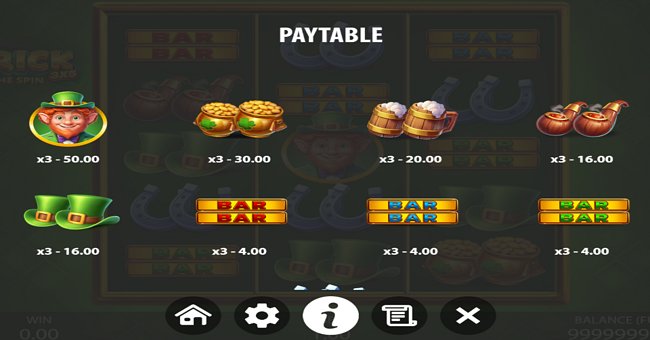
When you’re looking for a way to turn a quick phone break into a full‑blown entertainment experience, you might consider exploring the Patrick Spins platform for online players, which offers a range of games that blend casual fun with competitive edge.
Conclusion: A Landscape in Motion
Mobile gaming is no longer a side activity; it’s a core component of the UK’s entertainment ecosystem. With shorter, more social sessions, a robust free‑to‑play economy, cross‑platform play, AR integration, and a budding eSports scene, the sector is poised for continued growth. Stakeholders who can navigate the challenges of monetisation, accessibility, and technical infrastructure will be best positioned to thrive in this dynamic environment.
