
That gene sits inside the region long assumed to only code for a piece of a ribosomal RNA, so its discovery surprised researchers when it turned up. Most peptides people research are made from instructions in your nuclear DNA, the genetic material packed into the center of your cells. It is highly unlikely an athlete would get a TUE approved for MOTS-c because there is no approved therapeutic use for this experimental drug.
This trait has garnered significant attention in research concerning exercise physiology and metabolic health. The subsequent analysis underscores major differences between MOTS-C and other mitochondrial and metabolic peptides that have been examined. Findings from animal research do not always correlate directly with human results, necessitating additional clinical studies to ensure safety and effectiveness in humans. Although consistent metabolic effects are evident in preclinical studies — data from human clinical trials is still extremely scarce. These mitochondrial-derived peptides (MDPs) are investigated for their capacity to influence metabolic pathways (enhance insulin sensitivity), and safeguard cells from oxidative damage.
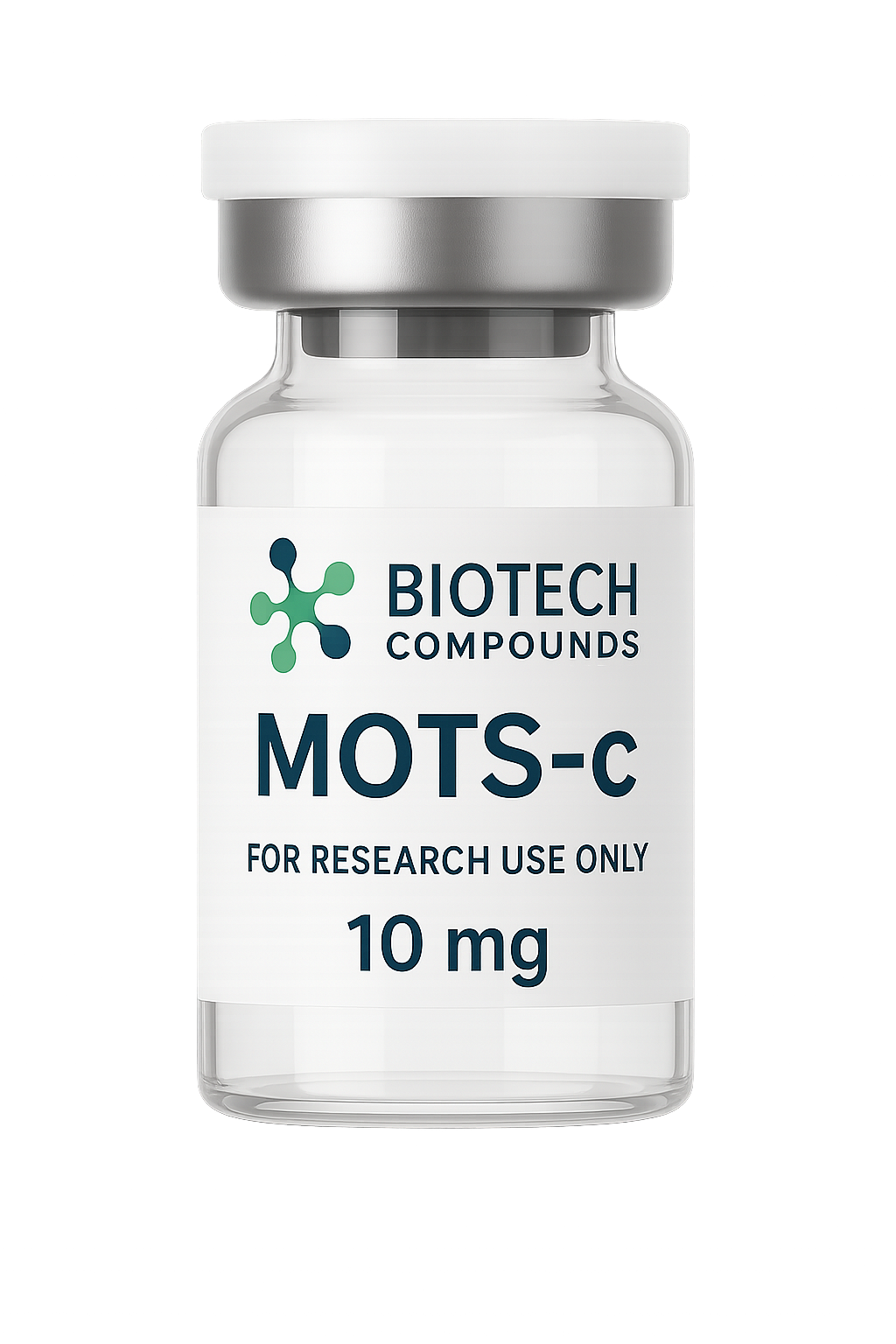
Sourcing math matters more here than the protocol itself. A common setup is a 10mg vial with 0.5mL of bacteriostatic water, which gives 5mg per 25 units on a standard insulin syringe. Add bacteriostatic water slowly down the side of the vial rather than directly onto the powder — and never shake it, since agitation can damage the peptide. No human trials exist for native MOTS-c, so dosing protocols come from practitioners and researchers who have worked with the compound. But anyone using native MOTS-c is extrapolating from animal studies and anecdotal reports.
Has MOTS-c been studied in humans?
HOMA-IR calculations from glucose and insulin quantify insulin resistance. Tracking response to MOTS- MOTS-c peptide questions answered c enables protocol optimization and documents benefit realization. Inject bacteriostatic water gently against the vial wall rather than directly onto the peptide cake. The following dosage chart synthesizes research findings and practical experience into structured protocols for different experience levels and goals.
The Present Situation of Scientific Investigations Regarding MOTS‑C
It acts on energy metabolism inside the cell, mainly in skeletal muscle. The body makes it naturally; the MOTS-c sold online is a synthetic copy. Innerbody uses only high-quality sources (including peer-reviewed studies), to support the facts within our articles. And the medical oversight meets the high standard you’d want from a purveyor of high-quality pharmaceutical peptides, as every order requires physician review and fulfillment by a state-licensed 503A compounding pharmacy.
Animal Studies on Endurance and Exercise Ability
Any clinician with athlete patients should verify current World Anti-Doping Agency (WADA) status before discussing it (because the consequences of a positive test fall on the patient), not the practice. The difference between those two patients is the difference between informed participation in something investigational and an inappropriate clinical promise. The recommendation went against the FDA staff briefing — which had proposed adding none of them. The evidence base is largely preclinical (cell and animal), with very limited human data. But in the real world, the most immediate concern is often not the molecule — it is the supply chain.
Because MOTS-c is tied directly to mitochondrial function, some researchers believe it may support how efficiently the body converts nutrients into usable energy. It’s important to note that much of the research on MOTS-c comes from preclinical and animal studies, with human research still in earlier stages. That origin story alone has made it a favorite topic among researchers interested in metabolism, energy, and aging.
Such sources do not establish clinical efficacy for MOTS-c when administered to people. These findings do not demonstrate efficacy or safety of MOTS-c commercial products for weight management, exercise enhancement, or aging in humans. MOTS-c is one of the first mitochondrial genome-encoded signaling peptides with potential therapeutic applications. Marketing frequently emphasizes fat loss, metabolic improvement, increased energy, delayed aging, and enhanced physical performance.
In each case, the honest framing is that the evidence is predominantly preclinical, cell and animal studies — with limited or no robust human clinical trial data. None of this constitutes a basis for MOTS-c dosage recommendations — which is a separate matter governed by the compound’s regulatory status and the absence of established human protocols. A responsible clinical summary is that MOTS-c has shown biologically interesting metabolic signaling in early research, and that how — or whether — this matters clinically in humans remains an open question. Signaling activity observed in cell cultures or animal models does not automatically translate into predictable, beneficial effects in human patients. Some animal and cell work has explored its relationship to exercise and metabolism — which is the basis for the “exercise-mimetic” framing that circulates online.
Signing up for an account , it’s required now, takes a further 25% off your first order, whatever the price is that week. The 10mg vial is $49.99 regular, with the COA posted on the product page. Every lot goes to Freedom Diagnostics for independent testing, which for a compound this fragile is how you know what arrived in the vial. MOTS-c does several things because it’s tapping into a fundamental metabolic pathway. A single injection 10 minutes before exercise increased running time by 12% and distance by 15%. Do not leave it at room temperature or reconstitute multiple vials in advance.
As individuals age (natural levels of MOTS-C decrease), which may lead to increased insulin resistance, metabolic issues, and weight gain. Compounded drugs are not subject to premarket reviews by the FDA to assess their safety (efficacy), or quality. MOTS-C (a peptide derived from mitochondria), is examined for its role in metabolic signaling, whereas C-peptide, which is linked to insulin production, is frequently assessed in diabetes tests. Due to its involvement in insulin sensitivity and energy regulation — MOTS-C is frequently highlighted in discussions surrounding metabolic health and weight management.
At times — individuals may need to halt their regular training regimens due to injuries, illnesses, or changes in lifestyle. After reconstitution (it usually stays stable for approximately 30 days), yet adhering to the storage instructions on the product label is advisable. Even though MOTS-C appears to offer beneficial effects, its long-term safety is still under examination. MOTS-C remains a relatively new entity (and while initial results are encouraging), its safety for human use has not been thoroughly researched. Furthermore, animal studies suggest it may improve cardiovascular health by aiding blood vessel function.
Comments are closed